Cup by Cup: Vermont's Indie Coffee Roasters Are Brewing Something Bigger Than Caffeine
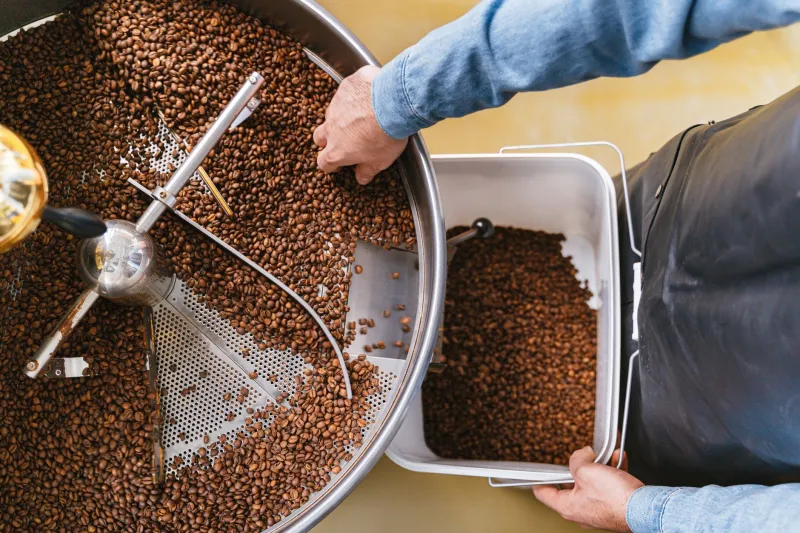
You don't typically think of Vermont when someone says "world-class coffee destination." The Green Mountain State doesn't grow the stuff — no elevation here rivals the highlands of Ethiopia or the volcanic slopes of Guatemala. And yet, walk into a handful of small roasteries tucked between dairy farms and covered bridges, and you'll find people doing something genuinely remarkable with beans sourced from the other side of the planet, roasted with the same obsessive local pride Vermonters apply to everything else they eat and drink.
This is Vermont's third-wave coffee movement, and it's moving fast.
What "Third Wave" Actually Means Here
The term gets thrown around a lot in food media, but in Vermont it carries a specific texture. Third-wave coffee treats the bean the way a Vermont cheesemaker treats raw milk — as something with a story, a terroir, a farmer behind it who deserves to be acknowledged and fairly paid. It's the opposite of the commodity coffee that dominated American kitchens for decades, where blending and dark roasting were used to mask inconsistency rather than highlight character.
For Vermont roasters, the philosophy clicks almost intuitively. "We already have this culture here of knowing where your food comes from," says one Montpelier-based roaster who sources exclusively through direct-trade relationships. "Applying that same thinking to coffee just made sense. Why would we stop asking questions at the farm gate?"
That question — why would we stop? — is driving a lot of the innovation happening in Vermont's coffee scene right now.
Direct Trade and the Long Chain of Trust
Direct trade is the backbone of Vermont's specialty coffee identity. Unlike Fair Trade certification, which establishes price floors, direct trade means the roaster has a personal relationship with the producer — sometimes visiting farms, negotiating above-market prices, and committing to multi-year purchasing agreements that give farmers real financial stability.
One roaster operating out of a converted barn in the Northeast Kingdom has been traveling to Central American coffee farms for nearly a decade. She comes back each year with not just green beans but photographs, harvest notes, and stories she shares with her customers through bag labels and a newsletter that reads more like a travel diary than a marketing email. "My customers know the name of the farm. Some of them know the farmer's kids," she says. "That connection changes how you drink coffee. You're not just getting a caffeine hit — you're participating in something."
That participatory quality is very Vermont. It's the same impulse that fills farmers markets on Saturday mornings and keeps CSA programs oversubscribed every spring.
Roasting at Altitude — and What It Changes
Vermont's cold, dry climate turns out to be genuinely useful for coffee roasting, even if it presents some logistical quirks. Lower ambient temperatures mean roasters have to account for heat loss differently than their counterparts in warmer climates. Several Vermont roasters describe spending years dialing in their roast profiles to compensate for cold drafts in older buildings and the humidity swings that come with the seasons.
But there's a silver lining. Cool storage conditions are ideal for green beans, which degrade faster in heat and humidity. Vermont warehouses and barns — the same ones that have kept root vegetables and aged cheese stable for generations — are naturally well-suited to preserving the volatile aromatic compounds in unroasted coffee. "We basically get free climate control for half the year," jokes one Burlington-area roaster. "The winters are brutal, but the beans love it."
The result, roasters argue, is a more consistent cup — especially for lighter roasts that showcase delicate floral and fruit notes that would otherwise fade in storage.
Building a Coffee Community, One Pour-Over at a Time
What's striking about Vermont's coffee scene isn't just the quality in the bag — it's the culture being built around it. Several roasters have opened tasting rooms or small cafés where education is baked into the experience. Cupping sessions, where participants slurp coffee loudly from spoons to assess aroma, body, and finish, are becoming social events rather than industry rituals.
"We do public cuppings on Friday afternoons and they sell out," says the owner of a roastery-café in Stowe. "People are genuinely curious. They want to understand why one Ethiopian coffee tastes like blueberries and another tastes like dark chocolate. That curiosity is what we're here to feed."
This educational impulse extends to wholesale accounts, too. Vermont roasters are known for training the café staff they supply — walking baristas through brew ratios, grind settings, and water temperature with a patience that reflects their belief that the roaster's work doesn't end when the bag is sealed. "A beautiful roast can be ruined by a bad extraction," one roaster explains. "We care too much about the whole chain to let that happen."
The Farm-to-Table Ethos, Extended
It would be easy to dismiss Vermont's coffee scene as a boutique novelty — precious, expensive, niche. But that critique misses what's actually happening. These roasters are applying the same values that have made Vermont a national leader in sustainable agriculture — transparency, fair compensation, relationship-based sourcing — to a global supply chain that desperately needs those values.
When a Vermont roaster pays a Rwandan coffee farmer three times the commodity price and tells their customers exactly why, they're doing something that ripples outward. They're modeling what ethical sourcing can look like. They're proving that consumers will pay more when they understand the story. And they're extending Vermont's farm-to-table identity beyond the borders of the state itself.
That feels right, actually. Vermont has always punched above its weight when it comes to food ethics. Why should coffee be any different?
Where to Start
If you're new to Vermont's specialty coffee scene, the best entry point is usually a bag from a local roaster with a clearly labeled origin and roast date — anything more than a few weeks old is already losing its best qualities. Look for roasters who list the farm or region on the bag and who describe flavor notes without being insufferably precious about it.
Better yet, find one of the Friday afternoon cuppings and show up with an open mind and a willingness to slurp loudly. Vermont's coffee people are, almost universally, delighted to talk your ear off about what's in your cup.
That enthusiasm — unguarded, generous, a little nerdy — is maybe the most Vermont thing about this whole movement.