No Coast, No Problem: Vermont's Fishmongers Are Pulling Off Something Remarkable
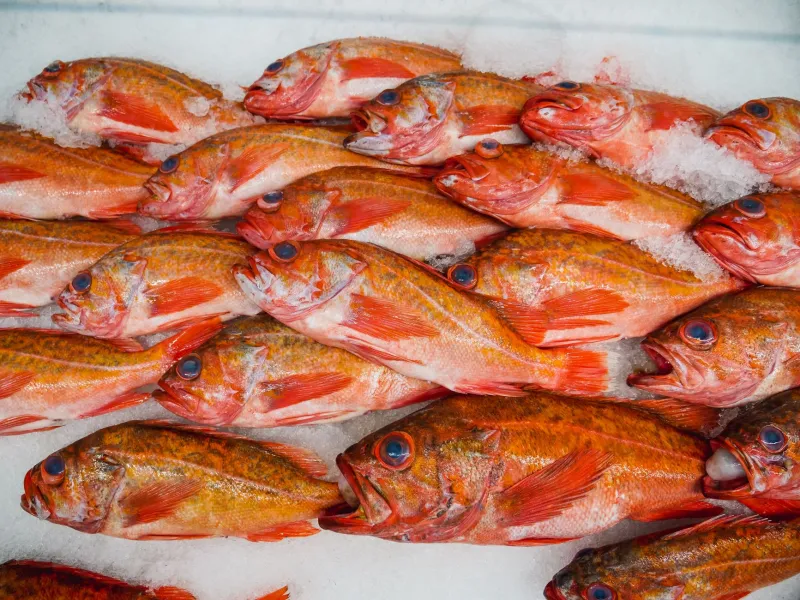
There's a moment that happens to almost everyone who walks into a serious fish shop for the first time. You lean over the case, expecting that vaguely funky, low-tide smell you've come to associate with seafood counters at the grocery store, and instead you get — almost nothing. Just cold air, maybe a faint brininess, clean as a morning dock. That's the smell of actually fresh fish, and it's something Vermont, of all places, is getting very good at.
For a state without a single mile of coastline, that's kind of a big deal.
The Distance Problem (And Why It's Not as Big as You Think)
Conventional wisdom says you can't get great seafood in a landlocked state. The logic tracks on the surface: fish is perishable, the ocean is far away, and by the time anything reaches Burlington or Brattleboro, it's already past its prime. For a long time, that conventional wisdom was basically correct.
But a handful of Vermont purveyors have spent the last decade quietly dismantling that assumption, and they've done it the same way Vermont food producers tend to do most things — through obsessive attention to sourcing, direct relationships, and a refusal to treat quality as someone else's problem.
"The distance isn't really the issue," says one Burlington-area fishmonger who sources primarily from day-boat fishermen out of Gloucester and Portland. "The issue is the supply chain. If your fish is going through three or four middlemen before it hits the counter, it doesn't matter if you're in Vermont or Kansas — you're getting old fish. Cut out the middlemen, and suddenly geography matters a lot less."
Her operation runs on relationships built over years. She knows which boats are going out, what they're catching, and when the catch is hitting the dock. Twice a week, a cooler packed with ice makes the drive north. The fish on her counter on a Thursday morning left the water less than 48 hours earlier.
What "Fresh" Actually Means
One of the more quietly radical things happening at Vermont's better fish counters is a kind of consumer education that most purveyors didn't necessarily plan to be doing. Turns out, a lot of people have never actually eaten truly fresh fish, and when they do, they need a little context.
"People come in and ask for the freshest salmon, and I have to explain that the salmon I have today is actually a few days old — but that's because it came from a responsible farm in Maine, was harvested to order, and got here fast," explains a purveyor based in the Upper Valley who also supplies several local restaurants. "Meanwhile, the 'fresh' salmon at the big grocery store might be three weeks old and never frozen. Fresh is a marketing word. Age and handling are what actually matter."
This kind of counter-level education is happening all over the state, and it's changing how Vermont home cooks shop. People are learning to ask questions — where did this come from, when did it land, how was it handled — that most seafood consumers never think to ask. That shift in expectation is, in its own small way, a form of food activism.
The Sustainability Thread
You can't talk about Vermont's seafood scene without talking about sustainability, because the purveyors driving this renaissance are almost universally obsessed with it. This isn't just good marketing — it's baked into how they source.
Many work exclusively with fisheries that participate in community-supported fishery programs, prioritize species that are abundant and well-managed, and actively steer customers away from overfished stocks even when demand is high. Swordfish from a well-managed longline operation? Sure. Bluefin tuna caught by a small-boat harpoon fisherman? Absolutely. Chilean sea bass from a sketchy source? Hard pass.
"I turn down fish all the time," says one Chittenden County purveyor who also runs a small CSF subscription service. "If I can't verify where it came from and how it was caught, it doesn't go in the case. That's the whole deal."
Her CSF model — in which subscribers pay upfront for a weekly or biweekly share of whatever came off the boat — has built a loyal base of customers who've essentially signed on to eat seasonally and responsibly, even when that means cooking with species they've never heard of. Pollock instead of cod. Acadian redfish instead of snapper. The educational component, she says, is the most rewarding part of the job.
Reviving the Art of Fish Cookery
There's another dimension to what Vermont's fishmongers are doing that doesn't get talked about enough: they're teaching people how to cook fish properly, and that's harder than it sounds.
Fish cookery fell out of the American home kitchen for a lot of reasons — fear of smell, unfamiliarity with technique, the rise of boneless skinless chicken breast as the default protein. The result is that a lot of home cooks are intimidated by a whole fish or a thick skin-on fillet in a way that their grandparents simply weren't.
Vermont's better fish shops are working against that trend in practical ways. Recipe cards at the counter. Impromptu technique demos. Staff who will walk you through how to properly score a fish for roasting or explain why you want to start a fillet skin-side down in a cold pan. One purveyor in the Northeast Kingdom runs occasional fish-butchery workshops out of a local grange hall, teaching participants how to break down a whole fish, cure their own gravlax, and make a proper stock from the bones and heads.
"We give away the frames for free," she says, referring to fish carcasses. "Most people have no idea you can make the most incredible broth from something that would otherwise go in the trash. That's a whole flavor dimension they've been missing."
Why Vermont? Why Now?
It's worth asking why this particular food renaissance is happening in Vermont, of all places, and why it seems to be gaining momentum right now.
Part of the answer is simply the broader Vermont food culture — a state that has spent decades building infrastructure around local, responsible, relationship-based food production is naturally receptive to those same values applied to seafood. The customers who already buy their beef from a farmer they know and their cheese from a creamery down the road are primed to care about where their halibut came from.
But there's also something happening on the supply side. Northeast fisheries are increasingly interested in direct relationships with end-point retailers, partly because it gets them a better price and partly because it connects their work to people who actually give a damn. Vermont's small-scale, values-driven purveyors are exactly the kind of partners those fishermen want.
The result is a fish counter scene that's punching well above its weight — one that's making Vermont, implausibly, a place worth traveling to for a really good piece of fish. That's not something anyone would have predicted twenty years ago.
But then, Vermont has a way of doing the unexpected thing and making it look easy.