Stone, Grain, and Morning Light: Vermont's Small-Batch Millers Are Changing What's in Your Bowl
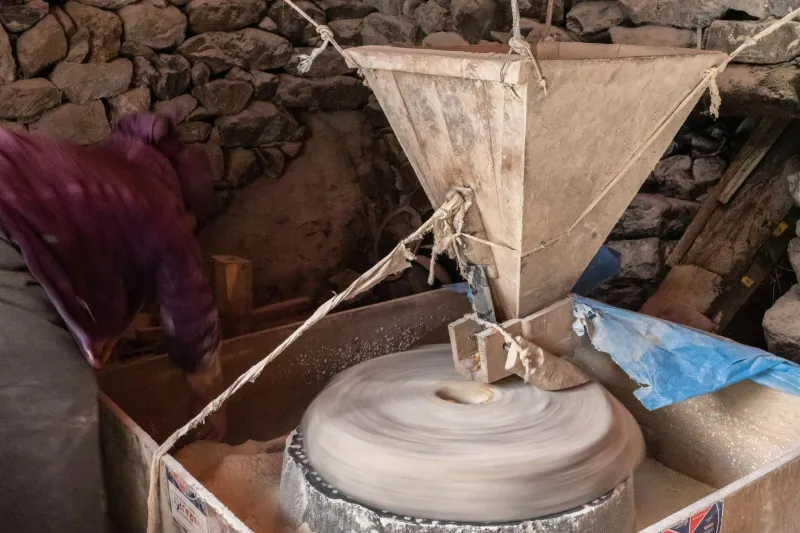
There's a particular smell that hits you when you walk into a working grist mill — something warm and dusty and alive, like bread before it's bread. It's the smell of grain being cracked open, of something dormant becoming something useful. In Vermont, that smell is making a comeback.
Across the state, a loose but passionate community of small-scale grain millers is doing something that would have seemed almost quaint a decade ago: growing heritage wheat varieties in rocky New England soil, running stone mills at careful, slow speeds, and selling bags of whole-grain flour and cracked porridge blends that are quietly upending the way Vermonters — and increasingly, people far beyond the state line — think about breakfast.
Why Breakfast, and Why Now
It's not an accident that grain is having its moment at the morning table. Breakfast, more than any other meal, runs on cereal crops. Oats, wheat, corn, rye — the bowl or the plate almost always starts there. And for most of the twentieth century, those grains were processed so aggressively, milled so far from where they were grown, that the flavor got left somewhere back on the factory floor.
"People have been eating breakfast from a box for so long that they've forgotten grain actually tastes like something," says Elspeth Conroy, who runs a small milling operation out of a converted equipment shed on her farm in the Northeast Kingdom. She grows about a dozen varieties of heritage wheat and rye on her land, mills them in small batches on a stone burr mill, and sells directly to home cooks and a handful of restaurants in Burlington and Montpelier. "When someone tastes a porridge made from freshly milled emmer for the first time, they always say the same thing: 'What is that flavor?' And the answer is — that's just what grain tastes like when you don't strip everything out of it."
Conroy is part of a broader grain revival that's been building in Vermont for the better part of a decade, driven by the same farm-to-table ethos that transformed the state's cheese, meat, and produce scenes. The Vermont Grain Mill in Hardwick, one of the region's anchor operations, has been central to that movement — milling locally grown wheat, rye, corn, and oats and supplying restaurants and bakeries that have made local grain sourcing a point of pride.
The Grains Themselves
Ask any Vermont miller what excites them most and they'll almost certainly start talking about the grains themselves — the varieties, the stories, the agronomic quirks.
Emmer and einkorn, two of the oldest cultivated wheats in human history, have found a surprising second home in Vermont's short growing season. They're lower-yielding than modern commodity wheat, which is exactly why industrial agriculture abandoned them, but their flavor complexity is in a different category entirely. Ground into a coarse flour or cracked for porridge, they carry a nuttiness that borders on savory, with a natural sweetness that deepens when cooked slowly.
Red Fife, a heritage Canadian wheat that nearly disappeared in the mid-twentieth century, has become something of a darling among Vermont bakers and millers. It makes a slightly denser flour than modern bread wheat, but the flavor payoff is enormous — rich, slightly tangy, with a depth that makes pancakes and waffles taste like they were made by someone who actually cared.
And then there's corn. Not sweet corn, not the commodity field corn that fills industrial food systems, but flint corn — the hard, dry varieties that Indigenous communities across the Northeast cultivated for centuries. Millers like Ben Gleason, who farms and mills in Bridport, have been working with flint varieties like Roy's Calais and Bloody Butcher to produce cornmeal and grits with a flavor profile that supermarket cornmeal can't touch. "It's almost floral," Gleason says. "People make grits out of it and they can't believe it's corn."
From the Mill to the Morning Table
The question of what to do with these flours and grains once you get them home is one Vermont millers are eager to answer. Most of them include recipe cards with their products, and many maintain active social media presences where they share everything from overnight oat recipes to detailed guides on making whole-grain crepes.
The porridge renaissance is real and it's delicious. A simple bowl of cracked emmer or farro, cooked low and slow with a little salt and finished with maple syrup and toasted walnuts, is the kind of breakfast that makes you reconsider every instant oatmeal packet you've ever opened. Coarse-ground cornmeal from a Vermont flint variety, simmered into polenta-style porridge and topped with a soft-poached egg and some sharp cheddar from a local dairy, is a breakfast that could convert anyone.
Pancakes might be where the transformation is most dramatic. Swap out all-purpose flour for a blend of freshly milled Red Fife and rye, and the pancake you get is earthier, more complex, slightly heartier — it holds up to real maple syrup in a way that a standard pancake simply doesn't. Several Burlington restaurants have built weekend brunch menus around exactly this idea, sourcing their flours from Vermont millers and listing the grain varieties on the menu the same way a wine list notes a grape.
The Milling Process Matters More Than You'd Think
One thing every Vermont miller will tell you, unprompted, is that how grain is milled is almost as important as what grain you're milling. Industrial roller mills generate heat that degrades the oils and aromatic compounds in whole grains — which is part of why commercially milled whole wheat flour often smells a little flat or even slightly rancid. Stone mills, run slowly, keep temperatures low and preserve the volatile compounds that make freshly milled grain smell the way Elspeth Conroy's shed smells.
"The stone is doing something almost gentle," she says. "It's not crushing, it's more like rubbing. And because we're going slow, we're not cooking the grain as we mill it. What you get in the bag is still alive, in a sense."
That aliveness has a shelf life. Freshly milled whole-grain flour, because it retains the bran and germ with all their oils intact, goes stale faster than refined flour. Most Vermont millers recommend storing it in the freezer and using it within a few months. It's a different relationship with an ingredient than most American home cooks are used to — more attentive, more intentional. But that, the millers will tell you, is kind of the point.
A Morning Worth Waking Up For
There's something quietly radical about what Vermont's grain millers are doing. In a food culture that has spent decades optimizing breakfast for speed and shelf stability, they're making an argument for slowness — for grain that was grown in specific soil, milled with care, and cooked with a little patience.
It's not a complicated argument. It tastes like it. And if the growing waitlists for mill CSA shares and the expanding wholesale accounts at Vermont restaurants are any indication, it's an argument that's landing.
Find a bag of locally milled emmer or Red Fife flour. Make pancakes on a slow Saturday morning. Pour real maple syrup. That's the sweet spot, right there.