Cacao Meets the Green Mountains: Vermont's Small-Batch Chocolatiers Are Playing a Whole New Game
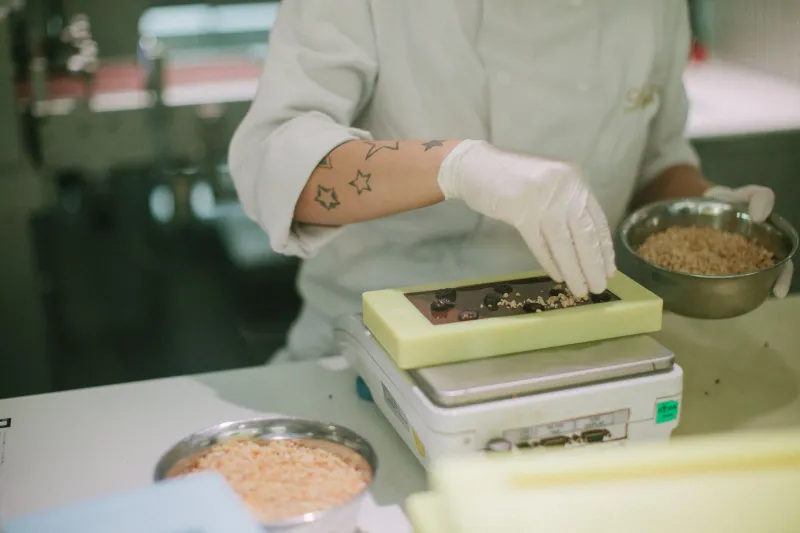
There's a moment, somewhere between the roasting and the conching, when a cacao bean stops being a raw agricultural product and becomes something unmistakably Vermont. Maybe it's the wildflower honey folded into a dark ganache. Maybe it's the splash of apple brandy from a cidery two towns over. Or maybe it's just the stubborn, particular pride that Green Mountain makers bring to everything they touch.
Whatever the alchemy, Vermont's craft chocolate scene has quietly grown into one of the most interesting in the country — and if you haven't been paying attention, now is a very good time to start.
Bean to Bar Isn't a Trend Here — It's a Philosophy
The phrase "bean to bar" gets thrown around a lot these days, sometimes as a marketing shortcut. But for the chocolatiers operating out of Vermont's converted barns, Main Street storefronts, and repurposed industrial kitchens, it represents a genuine commitment to tracing every step of the chocolate's journey.
These makers are sourcing directly from cacao farms in Ecuador, Madagascar, Peru, and the Dominican Republic — building relationships with growers the same way Vermont cheesemakers build relationships with their dairy farmers. They're tasting cacao lots the way sommeliers taste wine, looking for the floral brightness of a Madagascan Trinitario or the deep, earthy complexity of a Peruvian Nacional.
The terroir conversation, long reserved for wine and cheese, has arrived in chocolate form. And Vermont, with its deep culture of agricultural intentionality, turns out to be the perfect place to have it.
The Local Ingredient Obsession
If sourcing single-origin cacao is the foundation, then Vermont's local ingredient culture is what makes these bars genuinely singular. The state's chocolatiers aren't just making excellent dark chocolate — they're building flavor profiles that couldn't exist anywhere else.
Think raw wildflower honey harvested from hives in the Northeast Kingdom, folded into milk chocolate for a floral sweetness that no cane sugar can replicate. Think dried chaga mushroom — foraged from birch forests and beloved by Vermont's wellness crowd — adding an earthy, slightly smoky note to a 72% dark bar. Think sea salt harvested from the Atlantic coast, just a few hours east, finishing a caramel inclusion with a clean, mineral bite.
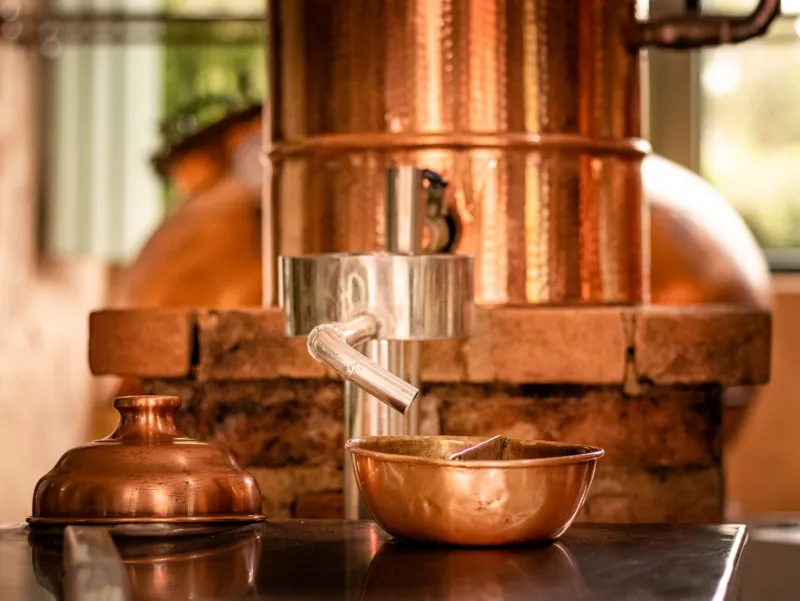
Some makers are going even further, collaborating directly with Vermont herb farmers to infuse dried lavender, lemon verbena, and tulsi basil into their chocolate. Others are partnering with the state's craft distillers — the same ones quietly building reputations for world-class whiskey and botanical gins — to create spirit-washed cacao nibs and ganaches with genuine depth.
It's the farm-to-table ethos applied to confection, and the results are genuinely exciting.
Fermentation: The Secret Weapon
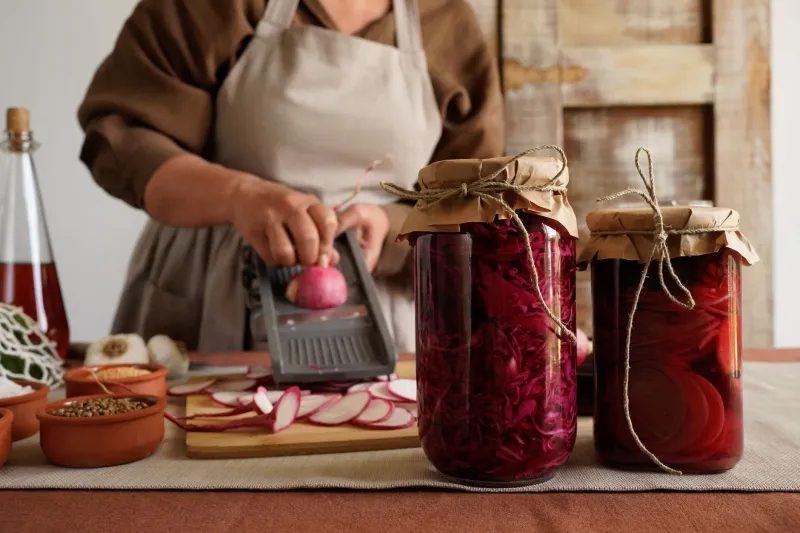
Here's something that surprises people who are new to the craft chocolate world: fermentation is just as central to chocolate flavor as it is to cheese, wine, or sourdough. The cacao beans undergo fermentation at origin — a process that develops the precursors to all that complex flavor — but what happens after that matters enormously.
Vermont's more experimentally minded chocolatiers are starting to play with this. Some are sourcing beans at different fermentation stages and finishing the process themselves, dialing in the exact flavor profile they want. Others are experimenting with secondary fermentation of the finished chocolate, aging bars in conditions that encourage slow, controlled change.
It's nerdy, labor-intensive work. It's also exactly the kind of obsessive craft that Vermont's food community tends to embrace wholeheartedly. The same curiosity that drives a Woodstock cheesemaker to experiment with affinage is pushing a Montpelier chocolatier to document fermentation temperatures and humidity levels like a scientist.
Why Vermont? Why Now?
It's worth asking why this particular state has become such fertile ground for craft chocolate. After all, Vermont doesn't grow cacao. The climate is famously unforgiving. The population is small.
But Vermont has something arguably more valuable: a food culture that rewards patience, craft, and authenticity. Consumers here have been trained by decades of exceptional cheese, maple syrup, and farmstead bread to recognize the difference between something genuinely made with care and something that just looks the part. That discernment creates a market — and a community — that serious food makers want to be part of.
There's also the maple factor. Vermont's centuries-long relationship with sugar — the careful tending, the seasonal rhythms, the pride in a product shaped by local land — has given the state a kind of institutional knowledge about sweetness that goes beyond technique. It's cultural. And it translates, perhaps more naturally than you'd expect, into the chocolate world.
When a Vermont chocolatier talks about the way a particular cacao's natural sweetness interacts with the mineral notes in local spring water, they're drawing on the same sensibility that makes a sugarmaker obsess over the exact moment to pull sap from the evaporator. Sugar, terroir, time — Vermont has always understood this language.
Finding the Good Stuff
So where do you actually find this chocolate? Some of Vermont's best makers sell primarily through their own websites and at farmers markets — the Montpelier Winter Farmers Market and the Burlington Farmers Market are both excellent hunting grounds. A growing number have small retail spaces or tasting rooms where you can try before you buy, which is absolutely the right way to approach this.
Local specialty food shops and co-ops across the state have been enthusiastic early adopters, and if you're visiting the Northeast Kingdom or the Mad River Valley, it's worth asking around — small producers have a way of showing up in the most unexpected spots.
If you're building a gift box or a cheese board and want to show off Vermont's food culture in full, pairing a locally made dark bar with an aged cheddar from a small dairy farm and a drizzle of raw honey is about as Vermont as it gets. The flavors work. The story works even better.
The Bigger Picture
What Vermont's chocolatiers are building isn't just a niche market for expensive candy. It's a demonstration that American craft chocolate can compete with the best in the world — not by imitating Swiss or Belgian traditions, but by developing something entirely its own.
The commitment to direct trade relationships supports cacao farmers operating under genuinely ethical conditions. The emphasis on local inclusions keeps money circulating within Vermont's agricultural economy. The obsession with fermentation and flavor development pushes the entire American craft chocolate conversation forward.
And honestly? It tastes incredible. That's always been the sweet spot, hasn't it.