From Orchard to Glass: Vermont's Cider Makers Are Turning Heirloom Apples into Something Extraordinary
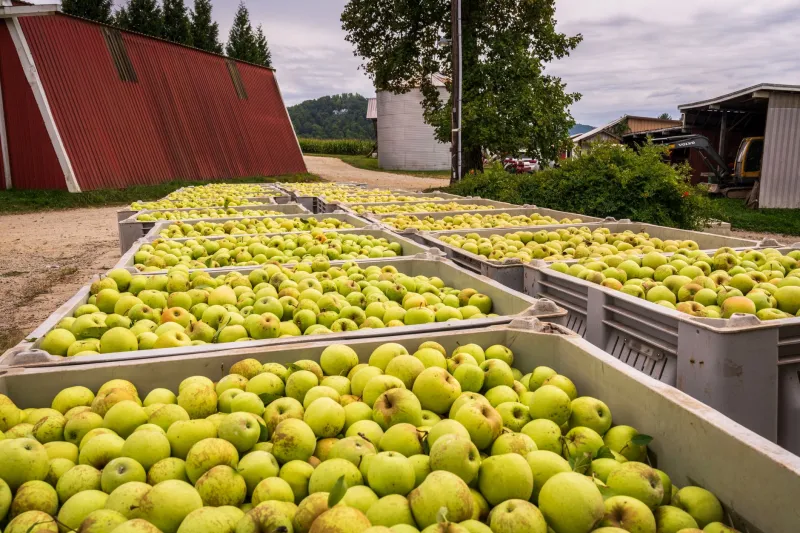
Somewhere between a gnarled old Baldwin tree and a hand-labeled bottle sitting on a tasting room shelf, something remarkable is happening in Vermont's apple country. A growing community of cider makers — many of them farmers first, fermenters second — is quietly dismantling everything you thought you knew about what cider can be.
Forget the fizzy, one-note stuff that dominated college parties a decade ago. Vermont's new wave of craft cider is borrowing the language of natural wine and applying it to apples that have been growing in New England soil for centuries. We're talking about wild fermentation, extended barrel aging, single-varietal pours, and blending decisions made with the kind of obsessive care you'd expect from a Burgundy producer. The results are genuinely thrilling — and deeply, specifically Vermont.
The Apple as a Time Capsule
To understand what's driving this movement, you have to start with the trees. Vermont's agricultural history is written in its orchards, many of which contain varieties that have been growing in the same spots for well over a hundred years. Names like Roxbury Russet, Esopus Spitzenburg, Calville Blanc d'Hiver, and Golden Russet don't exactly roll off the tongue at your average grocery store, and that's precisely the point. These apples were bred for flavor, not shelf life or long-distance shipping. They're tart, tannic, complex, and wildly unsuited to the modern industrial food system — which makes them absolutely perfect for cider.
Cider makers across the state have been quietly tracking down these trees, negotiating with landowners, and in some cases, grafting cuttings to preserve genetics that might otherwise disappear entirely. It's preservation work disguised as farming disguised as winemaking. The orchards themselves become a kind of living archive, and the cider that comes out the other end is essentially a liquid snapshot of Vermont's agricultural past.
Wild and Slow: The Fermentation Philosophy
One of the things that separates Vermont's most ambitious cider producers from the pack is a commitment to letting things happen naturally — and slowly. Rather than pitching commercial yeast to guarantee a predictable outcome, many of the state's most talked-about cideries are relying on wild fermentation, using the native yeasts that live on apple skins and in the air of the cider house itself.
It's an approach that requires patience and tolerance for a certain amount of unpredictability. Wild ferments can take months rather than weeks. They can throw unexpected flavors — funk, salinity, stone fruit, barnyard — that wouldn't show up in a controlled environment. And they can occasionally go sideways in ways that make a cider maker's stomach drop. But when they work, the results carry a complexity and a sense of place that no amount of engineered yeast can replicate.
Extended aging is another tool in the toolkit. Some Vermont producers are resting their ciders in used wine or whiskey barrels for six months, a year, or even longer, allowing the liquid to pick up tannin, texture, and subtle flavor compounds from the wood. Others are experimenting with co-fermentation — pressing apples alongside small amounts of pear, quince, or even foraged fruit to build layers of flavor that unfold over time in the glass.
Terroir Isn't Just for Wine Anymore
The word "terroir" gets thrown around a lot in wine circles, sometimes pretentiously, but it has genuine meaning when applied to Vermont cider. The soil in a Franklin County orchard is different from the soil in Addison County. The elevation of a hillside planting affects how and when apples ripen. A season with a late frost or an unusually wet August leaves fingerprints on the fruit that show up, unmistakably, in the finished cider.
Vermont's cider makers are increasingly leaning into this idea, releasing single-orchard or single-varietal ciders that let the source material speak for itself. Rather than blending toward a consistent house style year after year, some producers are embracing vintage variation — acknowledging that the 2022 harvest tasted different from 2023, and that difference is worth celebrating rather than engineering away.
This is a genuinely radical idea in a category that has historically prized consistency above all else. It's also the thing that makes Vermont cider feel most alive.
The Tasting Room as Community Hub
It would be a mistake to talk about Vermont's cider renaissance purely in terms of the liquid in the bottle. The physical spaces where these ciders are poured — often on the orchard property itself, with views of the trees that produced the fruit — have become something more than retail outlets. They're gathering places, conversation starters, and living classrooms.
Visitors who come in expecting something simple and sweet often leave having had their assumptions completely rearranged. Cider makers take time to explain why a particular apple variety produces that distinctive grip on the finish, or why this year's batch smells faintly of beeswax, or what it means that the fermentation happened in an old chardonnay barrel rather than a stainless tank. It's the kind of education that happens best with a glass in hand and an orchard visible through the window.
That accessibility matters. Vermont's craft cider scene is enthusiastic and welcoming in a way that can sometimes feel missing from more established wine or spirits culture. There's a generosity of spirit here — cider makers sharing fruit sources, collaborating on blends, talking openly about what worked and what didn't. It feels like a community still early enough in its evolution to be genuinely excited about what it's building.
What Comes Next
Vermont cider is still finding its footing in the broader national conversation about craft beverages, but the trajectory is unmistakably upward. More orchards are being planted with cider-specific varieties in mind. More restaurants across the state are building out cider programs with the same seriousness they apply to their wine lists. And more drinkers — particularly those drawn to natural wine and low-intervention fermentation — are discovering that a well-made Vermont cider can go toe-to-toe with almost anything in a glass.
The sweet spot, as it turns out, isn't necessarily sweet at all. It's tart and tannic and a little funky and completely, unmistakably rooted in this particular place. That's the whole point — and honestly, it's pretty hard to argue with a sip of something that tastes exactly like a Vermont October afternoon.
Next time you're at a farmers market or passing through apple country on a weekend drive, look for the hand-labeled bottles from the small operations doing this work. Ask the person behind the table what's in the glass. You might be surprised how much a single pour can tell you about where you are.