Old Vermont on the Table: The Cooks and Historians Bringing 19th-Century Recipes Back to Life
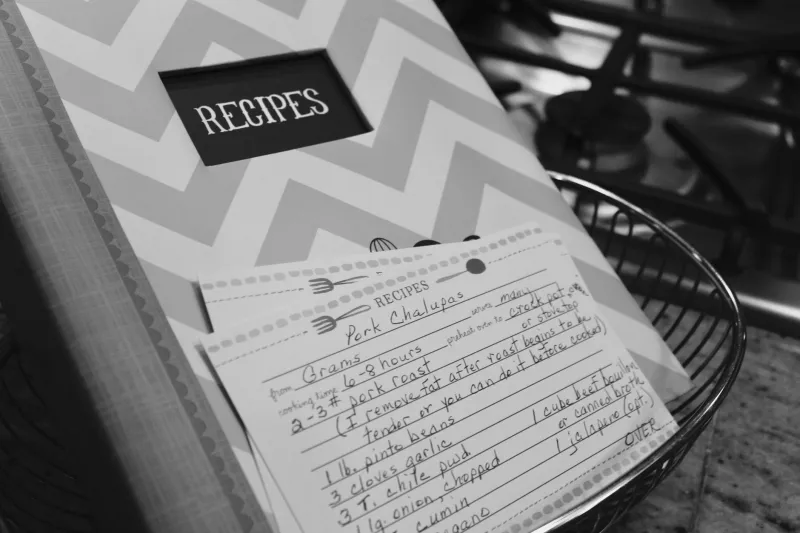
The recipe is written in pencil, in a hand that slopes confidently to the right. "Rye Porridge with Dried Apple and Maple — good for cold mornings and hard work." It's dated 1871, tucked into the back pages of a household account book from a farm in Orange County. The woman who wrote it had no idea anyone would still be reading it a hundred and fifty years later, let alone trying to cook it.
But somebody is. And they say it's delicious.
Digging in the Archives
Susan Hallett is a food historian based in Brattleboro who has spent the last decade building what she calls a "living archive" of Vermont culinary history. She works with the Vermont Historical Society, digs through town libraries and estate sales, and corresponds with families who have old cookbooks or recipe cards they're not sure what to do with. What she's assembled is a portrait of a cuisine that was radically local, seasonally disciplined, and — by the standards of modern nutritional thinking — remarkably thoughtful.
"People imagine that old Vermont cooking was just heavy and bland," she says, spreading a collection of handwritten recipe pages across her kitchen table. "And some of it was. But a lot of it was genuinely sophisticated. People understood their ingredients deeply because they had no choice. They grew them, preserved them, and used every part of them. There's a wisdom in that we've largely lost."
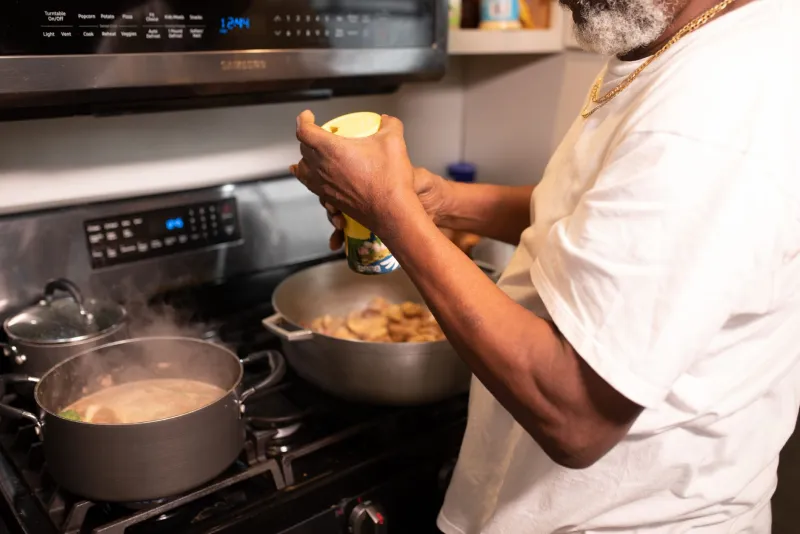
Hallett doesn't just catalog these recipes. She cooks them. Her kitchen is a kind of test lab where she works through historical dishes, adapts measurements that were written for wood-fired stoves and hand-cranked equipment, and figures out what still works and what needs updating for a modern palate.
What 19th-Century Vermont Actually Ate
The picture that emerges from Vermont's culinary archives is one of tremendous resourcefulness. Before refrigeration, before the railroad made tropical and out-of-season ingredients accessible, Vermont farm families ate what they grew, what they preserved, and what the season offered. That meant a lot of dried beans, stored root vegetables, salt-cured meat, pickled and fermented produce, and grains — rye, cornmeal, and oats in particular — that formed the backbone of the daily diet.
Sweet things were built around maple syrup and molasses rather than cane sugar, which was expensive and not always available. Fat came from lard and butter rather than oil. Herbs were grown in kitchen gardens and used fresh in summer, dried in winter. Nothing was wasted. Stale bread became pudding. Meat bones became broth. Apple peels became vinegar.
"What's striking is how aligned this is with how a lot of people want to eat now," says Hallett. "Whole ingredients. Local sourcing. Minimal waste. Fermentation. These weren't values — they were just how you survived. But the result was a food culture that modern sustainability advocates would recognize immediately."
From the Page to the Pot
Not everyone approaching this territory is an academic. In Burlington, a loose community of home cooks has been gathering monthly for what they call "historic supper clubs" — evenings built around a particular era or theme from Vermont's culinary past. Someone makes a Civil War-era salt pork and bean dish. Someone else brings a Depression-era apple stack cake. Another person reconstructs a mid-1800s cheese soup from a recipe fragment that was missing three ingredients, requiring educated guesswork to complete.
Theo Marchetti, one of the group's organizers, is a line cook by trade who started doing this as a personal project and found others were hungry for it — in both senses of the word.
"There's something grounding about it," he says. "We're surrounded by food that's designed to be maximally stimulating — sweet, salty, fatty all at once. Old Vermont cooking doesn't do that. It asks more of you as an eater. The flavors are quieter. More layered. You have to pay attention."
Theo's current obsession is a style of Vermont baked bean he found referenced in multiple 19th-century sources — slow-cooked dried beans with salt pork, maple syrup, and dry mustard, baked overnight in a covered pot. It sounds simple. It is simple. And after several test batches adjusting ratios and bean varieties, he's landed on a version he describes as "one of the best things I've ever made."
The Preservation Techniques That Are Coming Back
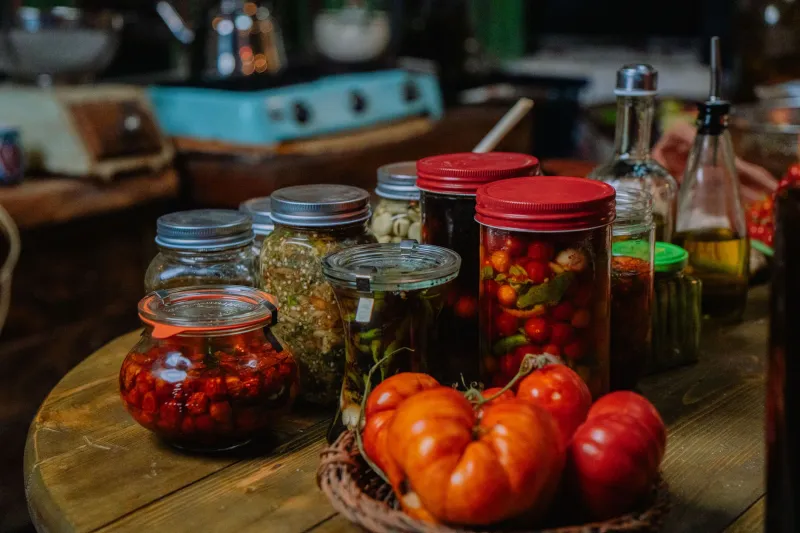
If there's one area of historical Vermont cooking that's experiencing the most active revival, it's preservation. The techniques that allowed 19th-century farm families to eat through long winters — lacto-fermentation, root cellaring, salt curing, drying, potting in fat — are finding new audiences among home cooks who are drawn to both the practicality and the flavor complexity these methods produce.
Hallett points to a particularly interesting moment in Vermont's culinary history: the period between roughly 1850 and 1880, when the state's agricultural economy was shifting and farm families were adapting their food practices in real time. "You see a lot of improvisation in the records from that period," she says. "People making do with less, finding new uses for familiar ingredients. It's actually a very creative moment in Vermont food history."
That creativity is exactly what modern cooks find inspiring. A Depression-era recipe for "mock maple syrup" made with brown sugar, water, and maple flavoring reads as a document of scarcity — but it also reveals something about how deeply maple was embedded in Vermont food identity, that people would go to lengths to approximate it when they couldn't afford the real thing.
What These Old Recipes Actually Tell Us
Cooking a 150-year-old Vermont recipe is a little like reading a letter from someone you never met. You learn something about their circumstances, their constraints, their values. You notice what they had and what they didn't. You recognize, maybe with some surprise, how much of what they were doing makes sense.
"The ingredient list in a lot of these recipes is basically the Vermont local food movement," says Theo, not entirely joking. "Beans from local farms. Maple syrup. Aged cheddar. Dried herbs from the garden. Root vegetables from the cellar. They were doing farm-to-table before it had a name."
That continuity is part of what makes this revival feel like more than nostalgia. It's not about recreating the past for its own sake. It's about recovering a relationship with food that was built on knowing exactly where everything came from and treating it accordingly. Vermont's landscape hasn't changed that much. The farms are still there. The maple trees are still producing. The root vegetables still come out of the ground in October.
Maybe the old recipes are just waiting to be useful again.