Salt, Acid, and Instinct: Vermont Home Cooks Who've Figured Out the Secret to Great Food
There's a moment in good cooking when everything clicks. The soup that's been simmering for an hour suddenly tastes like itself. The roasted vegetables stop being good and become great. It's not magic, and it's rarely luck. Ask Vermont's most passionate home cooks about it and they'll give you the same quiet, almost sheepish answer: they just kept at it until they understood what they were tasting.
Flavor balance is one of those concepts that sounds simple until you're standing over a pot trying to figure out why something isn't working. Salt too little and food tastes flat. Lean too hard on richness without acid to cut it and a dish gets heavy fast. Vermont kitchens — stocked with produce from backyard gardens, CSA boxes, and farmstand runs — are actually ideal classrooms for learning this. The ingredients here are honest. They don't hide behind processing or artificial flavor. Which means the cook has to do the work.
Learning to Taste Like You Mean It
Margie Tolland has been cooking out of her Craftsbury farmhouse for nearly thirty years. She grows most of her own vegetables, keeps a small flock of laying hens, and trades eggs for raw milk with a neighbor down the road. She didn't take a single cooking class. What she did do was pay attention.
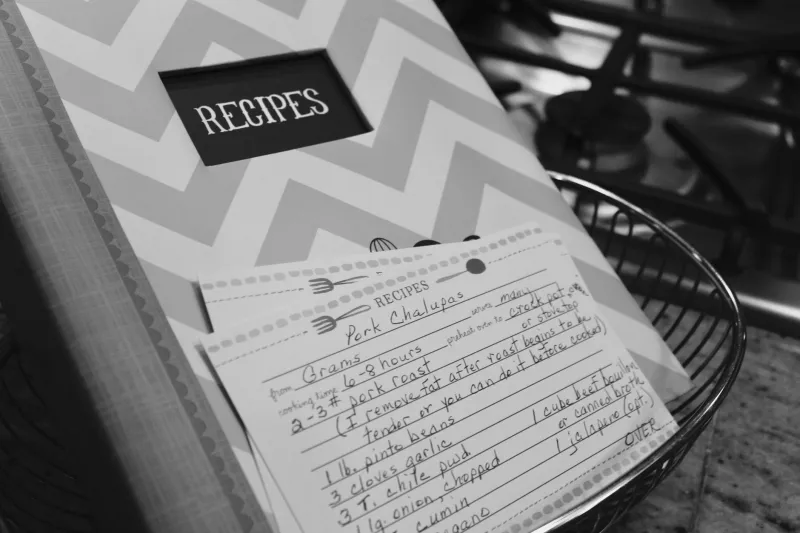
"I started keeping notes on what I changed and what happened," she says, pulling a dog-eared notebook from a kitchen drawer. "Not recipes exactly. More like — I added a splash of cider vinegar to the bean soup and it woke everything up. That kind of thing."
That splash of vinegar is a perfect example of acid at work. It's one of the most underused tools in the home cook's arsenal — not because people don't know about it, but because they don't always recognize when they need it. A dish that tastes dull or muddy often doesn't need more salt. It needs brightness. A squeeze of lemon, a dash of apple cider vinegar, a spoonful of fermented brine — these things lift food out of flatness without announcing themselves.
Margie's cider vinegar is local, picked up from a producer she's been buying from for years. "When your ingredients are already good," she says, "you're not trying to fix anything. You're just trying to get out of the way and let them talk."
The Salt Conversation
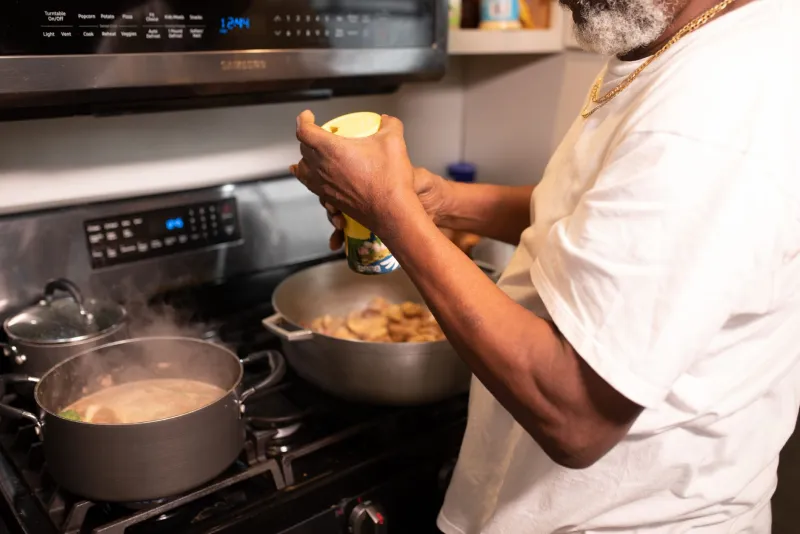
Ask any serious home cook about their relationship with salt and you'll get a surprisingly personal answer. For David Aurelio, a high school teacher in Burlington who cooks elaborate Sunday dinners for his family every week, the turning point came when he started salting at multiple stages instead of just at the end.
"I used to salt the finished dish and wonder why it never tasted seasoned," he says. "Then I read somewhere about salting the water, salting the vegetables before they go in the pan, seasoning the protein ahead of time. It sounds obvious but it genuinely changed how my food tasted."
Salt isn't just about saltiness — it's about amplification. It suppresses bitterness, enhances sweetness, and helps other flavors project. David now uses a flaky finishing salt from a small New England producer for his final seasoning, something he describes as "a completely different experience" from table salt. The texture matters too. A pinch of something crunchy on roasted carrots or a soft-boiled egg does something that pre-dissolved salt simply can't.
His Sunday dinners tend to build around whatever's local and seasonal. Right now that means braised winter squash, root vegetable gratins, and long-simmered pork shoulder from a farm he buys directly from in the Northeast Kingdom. "Cooking this way forces you to understand ingredients," he says. "You can't fake your way through a piece of heritage pork. It has flavor and it has personality. You have to meet it where it is."
Fat, Heat, and the Maillard Moment
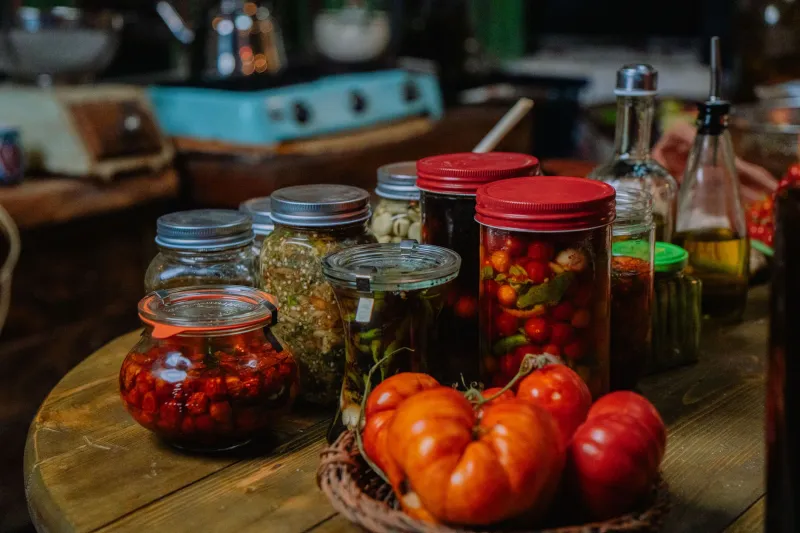
Flavor balance isn't only about seasoning. It's also about texture and the way heat transforms food. Priya Desai moved to Montpelier from Boston six years ago and has spent that time building what she calls a "Vermont pantry" — local butter, aged cheddar from a nearby creamery, maple syrup, dried beans from a regional grower, and an ever-rotating cast of farmstand vegetables.
Her philosophy centers on what she calls "the browning problem."
"So many home cooks are afraid of color," she says, laughing. "They pull things off the heat too early and then wonder why their food is bland. The Maillard reaction — that browning — is where flavor lives. It's where onions become sweet and savory at the same time. It's where a piece of chicken goes from rubbery to something you actually want to eat."
Priya's weeknight cooking is fast but deliberate. She gets her cast iron ripping hot before anything goes in. She lets things sit without fussing. She finishes with something acidic — often a local hot sauce she makes herself from peppers she grows on her apartment porch — and something rich, usually a knob of good Vermont butter.
"The butter here is just different," she says without apology. "The fat content, the flavor. It's not the same as what I was buying in Boston. I use less of it because I don't need as much."
Trusting the Palate You've Built
What connects these cooks — and what separates them from people who follow recipes to the letter without ever really learning — is a willingness to taste constantly, adjust freely, and trust what their mouths are telling them. That trust doesn't come overnight.
Margie puts it plainly: "The first few years I cooked, I was always looking for permission. Does this need more salt? Should I add something? Now I just taste it and I know. That knowing took time."
The shortcut, if there is one, is to cook with ingredients that are already doing their job. Vermont's local food system makes that easier than most places. When the tomatoes are actually ripe, when the eggs are genuinely fresh, when the cheese has been aged by someone who cares — the cook's job is simpler. You're not compensating. You're collaborating.
And maybe that's the real lesson these Vermont home cooks are offering: flavor balance isn't a formula. It's a conversation between you and what's on your cutting board. The more you listen, the better you get at it.