From the Farm, Straight to the Cafeteria: Vermont's Schools Are Quietly Changing What Lunch Means
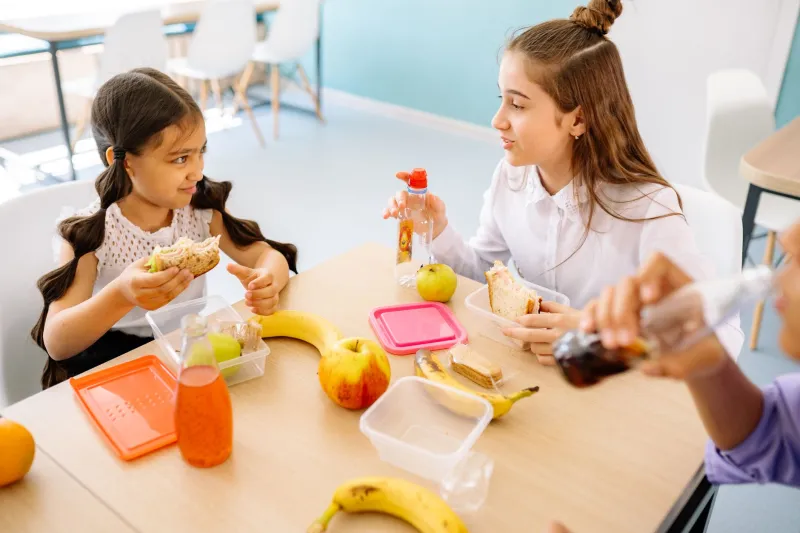
On a Tuesday in late October, the cafeteria at a small elementary school in the Champlain Valley doesn't smell like most school cafeterias. There's no industrial grease hanging in the air, no flat scent of reheated processed food. What you smell instead is roasting squash — butternut, grown less than twelve miles away — and something savory and herby that turns out to be a white bean soup made from locally dried beans, ladled out by a lunch staff that seems genuinely pleased with what they've made.
The kids, for the most part, are eating it. Not all of them, not without some coaxing, but more than you'd expect. And that, according to the school's food service director, is the whole point.
"We're not trying to win awards," she says, stacking trays near the service window. "We're trying to get kids to eat real food and feel normal about it. That's a longer game than most people want to play."
How Vermont Got Here
Vermont's farm-to-school movement didn't appear fully formed. It grew slowly, driven by a combination of state policy, stubborn idealism, and the practical reality that Vermont has an extraordinary amount of good food being produced within a short drive of almost every school in the state.
The nonprofit Farm to School Vermont has been a connective tissue in this effort for years, helping schools navigate the often-complicated logistics of sourcing locally — which is to say, finding the right farms, managing the unpredictability of seasonal supply, dealing with food safety requirements, and figuring out how to make the economics work on a school lunch budget that doesn't have a lot of slack.
State investment has helped. Vermont's Agency of Agriculture has put real money into supporting these programs, and federal reimbursements for school meals have provided a floor. But the people who've moved the needle most are the food service directors and school nutrition staff who decided to treat their cafeterias as kitchens rather than distribution centers.
The People Doing the Work
Rob Girard has been the food service director for a central Vermont school district for eleven years. When he started, the district was buying the same pre-portioned, nationally distributed products that most schools in the country rely on. Getting from there to a program where roughly 40 percent of food spending goes to Vermont producers wasn't fast or easy.
"The first challenge is just logistics," he says. "A big national distributor delivers once a week and you know exactly what you're getting. When you start working with local farms, you're dealing with people who have real lives and real weather and real crop failures. You have to build relationships. You have to be flexible."
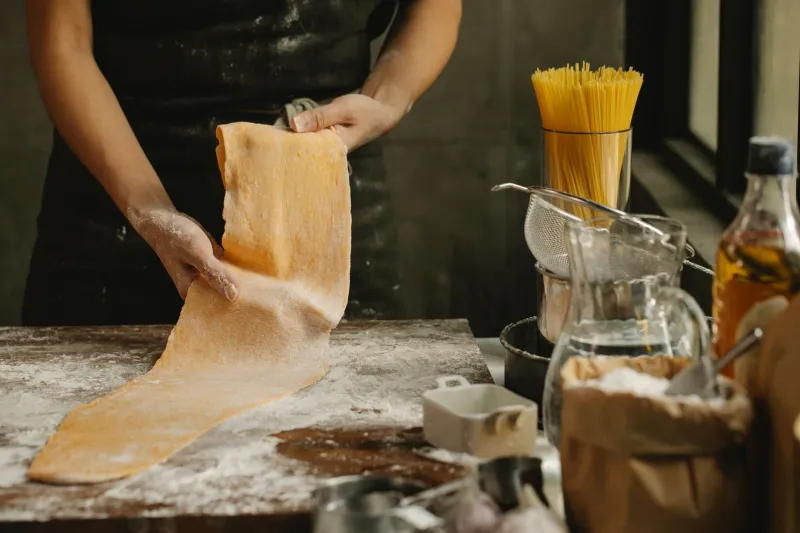
Girard now works with a rotating roster of about fifteen farms and producers across the region. He buys direct when he can and works through a regional food hub when he can't. His kitchen staff — and he insists on calling them kitchen staff, not just lunch workers — have had to learn skills that the pre-packaged model made unnecessary. They're breaking down whole vegetables. They're making soups from scratch. They're learning to work with ingredients that change week to week.
"I've got a woman on my team who's been doing school lunch for twenty-two years," he says. "When we started this shift, she wasn't sure about it. Now she's the one pushing me to find new local products. She cares about the food in a way she didn't used to. That matters."
What Kids Are Actually Eating
The skeptic's question about farm-to-school programs is always some version of: sure, but do the kids actually eat it? The answer, backed by observation and by the growing body of research on these programs, is: more than you'd think, and more over time.
Taste tests help. Schools that have had success often bring kids into the process — letting them try new vegetables before they appear on the lunch line, involving older students in cooking demonstrations, building classroom curriculum around food and agriculture. When a kid has held a parsnip and learned where it came from and maybe helped peel it, they're more likely to eat it.
There's also the question of what "school food" means culturally. For a lot of kids, the cafeteria is their most reliable source of nutrition during the school day. Getting more vegetables, more whole grains, and more fresh protein into that meal has real consequences for concentration, energy, and long-term health. Vermont's schools that have committed to this aren't doing it as a luxury. They're doing it because they believe it matters.
The Ripple Effect
What's interesting about Vermont's farm-to-school programs is how far their effects reach beyond the cafeteria line. When a district commits to buying a certain volume of, say, winter squash from local farms, that's predictable revenue for those farms — the kind of institutional purchasing that can help a small operation plan ahead and stay viable. In a state where the economics of small-scale farming are perpetually precarious, that stability is meaningful.
There's also the cultural dimension. Kids who grow up eating local food at school are more likely to recognize it, ask for it, and eventually buy it as adults. The farm-to-school movement is, in a real sense, building the next generation of Vermont's local food customers.
"I think about my own kids," Girard says. "They go to school in this district. They're eating this food. When they go to the farmers market with me on Saturday, they know what they're looking at. They have opinions about it. That wouldn't have happened if they'd been eating processed chicken patties every day for twelve years."
What Still Needs to Happen
Nobody involved in Vermont's farm-to-school work is declaring victory. The programs that exist are strong, but they're not universal. Rural districts with fewer resources, smaller kitchens, and less institutional support are harder to convert. Food service staff need training and time that aren't always available. And the budget math is genuinely difficult — local food almost always costs more, and making that work requires creativity, advocacy, and sometimes just fighting hard for every dollar.
But the direction of travel is clear. Vermont has more farm-to-school activity than almost any other state in the country, and the infrastructure — the farms, the food hubs, the trained staff, the policy framework — is more developed than it was a decade ago.
Back in that Champlain Valley cafeteria, a third-grader is on her second bowl of the white bean soup. She doesn't know the name of the farm it came from. She doesn't know anything about food policy or local agriculture economics. She just knows it's good. That, as the food service director said, is the whole point.