Stocked and Ready: The Vermont Households Treating Their Freezers Like a Second Harvest
By the time the first hard frost hits a Vermont farm in October, the Beauchamp family in Orleans County has usually been filling their chest freezers for about four months. There are quarts of roasted tomato sauce, vacuum-sealed bags of sweet corn cut fresh off the cob in August, whole chickens from their own flock, venison from last fall's hunt, and enough blanched green beans to last until the farmers markets open again in May.
"People ask us if it feels like prepping," says Claire Beauchamp, who manages the family's food preservation operation with the same organizational precision her grandmother applied to canning. "And I always say no — it feels like farming. The harvest doesn't stop when the garden does."
This distinction matters. There's a version of food stockpiling that's driven by anxiety, by fear of scarcity, by a bunker mentality that treats abundance as suspect. What the Beauchamps and an increasing number of Vermont households practice is something different: a deliberate, optimistic, deeply practical relationship with preservation that treats the freezer, the root cellar, and the cool pantry shelf not as emergency backup systems but as extensions of the farm itself.
The Psychology of Enough
The mental shift required to build a genuine winter food supply isn't primarily logistical — it's psychological. You have to stop thinking about food as something you acquire on demand and start thinking about it as something you steward across time.
For multi-generational farming families in Vermont, this mindset is inherited rather than acquired. But for the growing wave of newer homesteaders and farm-adjacent households who've arrived in the state over the past decade or so, it requires a deliberate reorientation.
"The first year I tried to preserve seriously, I was in scarcity mode the whole time," admits Tobias Werner, who moved from Boston to a small property in Washington County about six years ago. "I was hoarding rather than planning. Everything felt like it might not be enough."
What changed things for Werner was spending time with neighbors who'd been doing this for decades. "They had this completely different energy around it," he says. "It wasn't anxious. It was almost... luxurious? Like, we have so much good food and we're going to take care of it properly. That reframe was everything."
The goal, he learned, isn't to survive winter — it's to eat well through it. That distinction changes what you preserve, how much you preserve, and how you feel about opening the freezer in February.
Planning the Harvest Before It Happens
A well-functioning household food preservation system doesn't start in August when the tomatoes come in. It starts in February or March, when the seed catalogs arrive and the planting decisions get made.
Claire Beauchamp keeps a running spreadsheet that tracks what her family consumed from preservation stores the previous winter, what ran out too early, what they still had in April that they wish they'd eaten. This data shapes her garden plan, her purchasing decisions at the farmers market, and her relationships with the farms and producers she buys from in bulk.
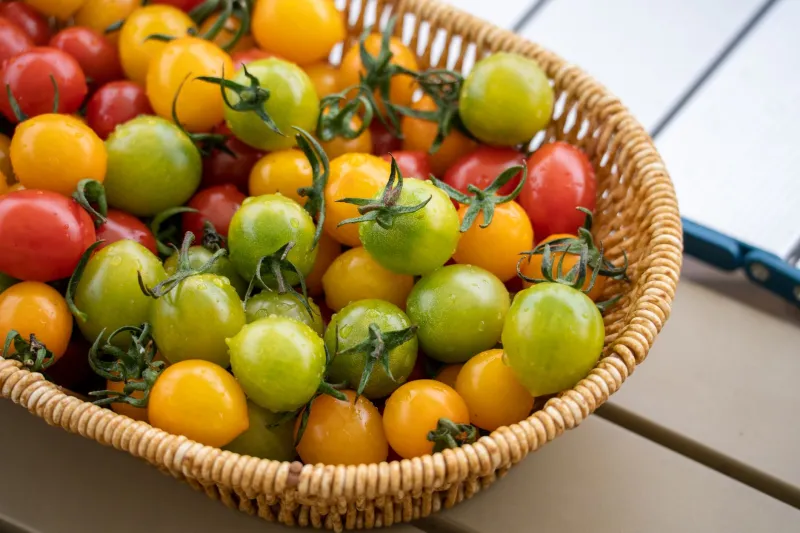
"I know I need about forty pounds of tomatoes for sauce to get us through the year," she says. "So I either grow that or I buy a bushel from a farm at peak season when the price is right. Either way, I'm not scrambling in January."
This kind of intentional planning — treating the household food supply as a managed system rather than a series of individual shopping trips — is something that preservation-focused Vermont families talk about almost universally. It requires more upfront effort and attention, but it pays dividends in both food quality and cost.
Freezing as a Craft
There's a persistent cultural assumption that freezing is the lesser sibling of canning — less skilled, less artisanal, less worthy of serious attention. Vermont's most accomplished home preservers tend to find this notion a little irritating.
"Freezing done right is genuinely skilled work," says Marta Johansson, who homesteads outside of Middlebury with her partner and two kids. "Blanching times, moisture management, vacuum sealing, knowing what freezes well and what doesn't — there's real craft involved."
Johansson has developed specific protocols for different vegetables based on years of experimentation. Her corn goes into the freezer within hours of picking, blanched for exactly three minutes, cooled in ice water, and dried thoroughly before sealing. Her pesto gets frozen in ice cube trays, then transferred to bags so she can pull out exactly what she needs. Her roasted peppers go in flat, in single layers, so they can be broken apart without thawing the whole batch.
"The difference between frozen corn that tastes like August and frozen corn that tastes like a freezer bag is almost entirely technique," she says.
Beyond technique, there's the question of what to freeze in the first place. Johansson has strong opinions here too. "I don't freeze things I can root cellar. Squash, potatoes, carrots, beets — those go in the basement where they belong. The freezer is for things that need the freezer: meat, corn, berries, beans, pesto, stock."
Root Cellaring in the 21st Century
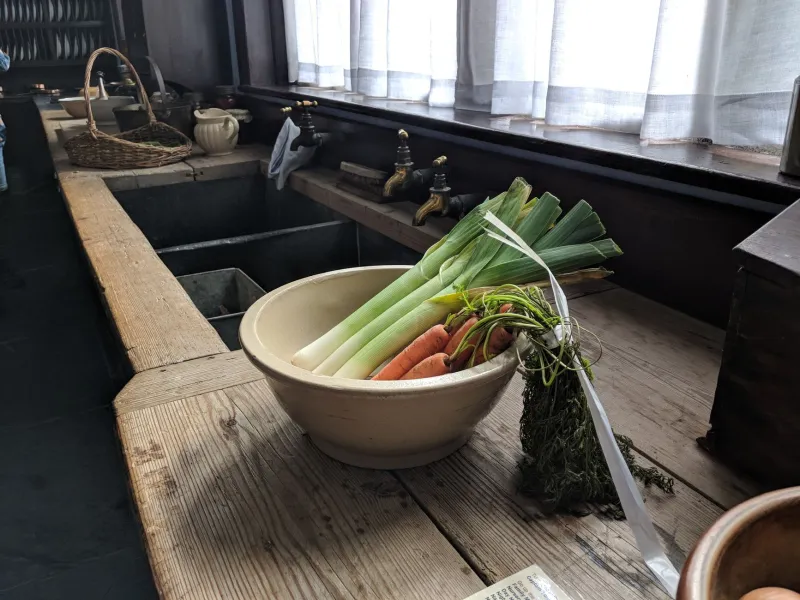
Not everyone has a traditional root cellar, but more Vermont households than you might expect have found workable alternatives. Insulated garage corners, buried coolers, cold basement rooms, and even well-positioned outdoor storage boxes have all been pressed into service by creative homesteaders who've realized that cool, stable storage dramatically extends the life of root vegetables, apples, and hard squashes.
Tobias Werner built what he calls a "poor man's root cellar" in the corner of his unheated garage — insulated on three sides with rigid foam, vented to the outside to regulate temperature, and lined with wooden crates holding the potatoes, carrots, and turnips from his fall harvest. "It cost me maybe two hundred dollars to build," he says. "And it holds about three hundred pounds of vegetables through March."
The key, he's learned, is monitoring. Temperature and humidity matter enormously, and different vegetables have different requirements. Apples and potatoes, famously, should not be stored together — the ethylene gas apples emit causes potatoes to sprout prematurely. These are the kinds of details that get passed down in farming families and that newer homesteaders have to learn deliberately, usually through a combination of research and hard-won experience.
What February Feels Like
Ask anyone who's built a real winter food supply what the payoff feels like, and they'll almost always describe a specific moment: standing in front of a full freezer or a stocked root cellar in the middle of February, when the ground is frozen and the farmers markets are months away, and feeling not deprivation but genuine abundance.
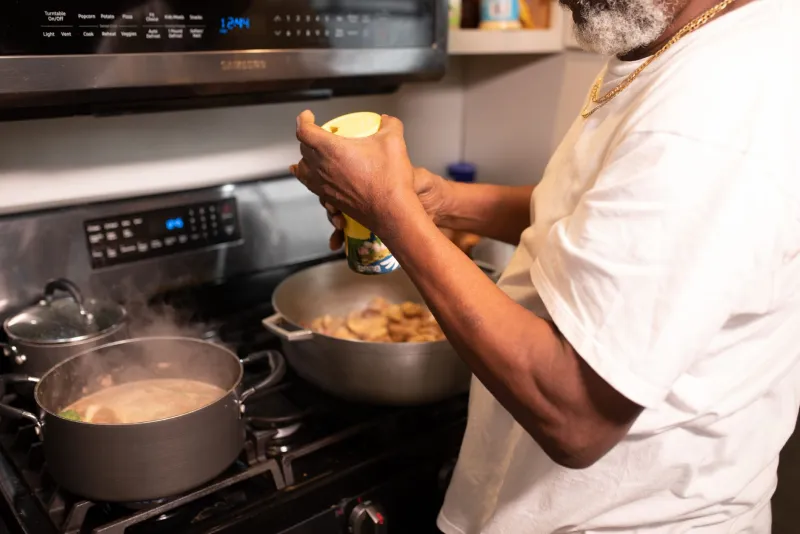
"There's this moment every winter," says Claire Beauchamp, "usually sometime in January when it's been brutally cold for two weeks and we've barely left the property, and I make this big pot of soup with our own stock, our own beans, our own tomatoes, our own herbs. And it tastes like summer. It tastes like all that work."
In Vermont, where winter is long and real and not something you can opt out of, that feeling isn't a small thing. It's the whole point.