Rise and Grind, Vermont Style: The Local Food Makers Turning Breakfast Into Their Main Event
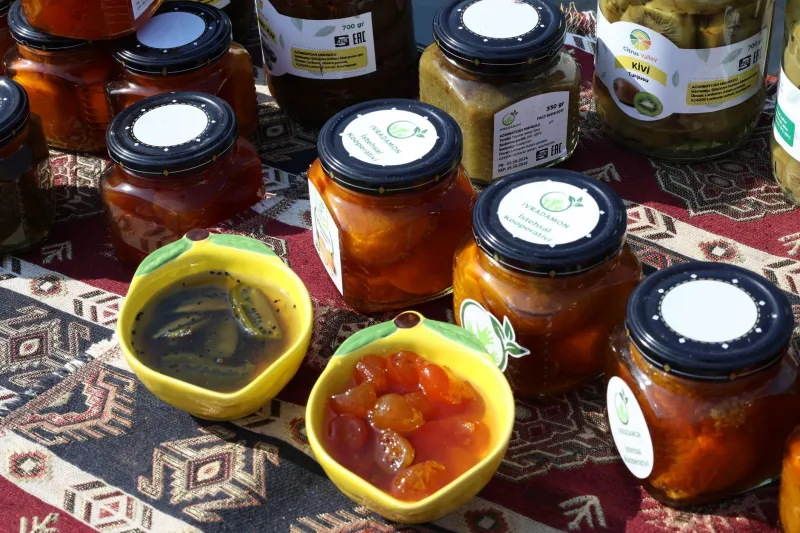
For a long time, if you asked someone in the Vermont food world what the most exciting meal of the day was, breakfast would have been a strange answer. Dinner got the farm-to-table reverence. Lunch got the artisan sandwich shops. Breakfast got... oats from a cardboard tube and whatever jam came in a plastic squeeze bottle at the diner.
That's changing fast. A wave of Vermont food entrepreneurs has quietly decided that the morning meal deserves the same obsessive sourcing, creative ambition, and local ingredient devotion that the dinner table has enjoyed for years. The results — from fermented grain granolas to savory breakfast jams to small-batch yogurts that make the national brands look embarrassing — are making a compelling case that breakfast might actually be Vermont's next great food frontier.
Granola Gets Complicated
Granola feels like a Vermont cliché, and honestly, it kind of is. But what Meg Fontaine is doing with it out of her production kitchen in Burlington is anything but predictable.
Fontaine's company, Morning Ledge Granola, has been operating for about three years, and her approach to the product is unusual enough that it took her a while to explain it to wholesale buyers. She ferments her oats before baking them — a slow soak in a slightly acidic medium that breaks down phytic acid, increases mineral bioavailability, and produces a depth of flavor that standard granola simply doesn't have.
"When I tell people it's fermented, they get a weird look," she laughs. "But then they taste it and the conversation changes. There's this almost sourdough-like complexity that you just can't get from throwing oats in an oven."
Fontaine sources her oats from a Vermont grower, her maple syrup from a sugarhouse in Washington County, and her nuts from regional distributors where she can. The fermentation process, she's quick to point out, isn't a gimmick — it's a technique with deep roots in traditional food preparation that the industrial food system essentially abandoned for the sake of speed.
"We've been eating fermented grains for most of human history," she says. "Breakfast cereal as we know it is the weird outlier."
Jam, But Make It Savory
Down in the Connecticut River Valley, Priya Chandrasekaran has been quietly building a devoted following for a line of preserves that don't fit neatly into any existing breakfast category. Her company, Threshold Provisions, makes what she calls "morning condiments" — a range of spreads that hover between sweet and savory in ways that feel genuinely new.
There's a tomato jam with smoked paprika and cider vinegar that she developed specifically for eggs. A caramelized onion and apple butter that was designed to go under cheese on toast. A rhubarb and miso spread that sounds alarming and tastes, somehow, like exactly the right thing to put on a warm biscuit.
"American breakfast condiments are so binary," Chandrasekaran says. "You have sweet jam or you have nothing. But if you look at breakfast traditions from almost anywhere else in the world, that line between sweet and savory basically doesn't exist."
Chandrasekaran, who grew up in a Tamil household in Massachusetts before landing in Vermont, draws on both her culinary heritage and the extraordinary local ingredient supply she found here. Her rhubarb comes from a farm in Addison County. Her cider vinegar is from an orchard she's worked with since her first year in business.
"Vermont gave me the ingredients to do what I always wanted to do," she says. "The producers here are so serious about quality that it raises your own game whether you like it or not."
The Yogurt Rebels
National yogurt brands spend enormous amounts of money trying to convince you that their product is wholesome and local and connected to real farms. Actual small Vermont yogurt producers don't have to try that hard, because it's just... true.
Clearwater Creamery, operating out of a converted barn in the Northeast Kingdom, has been making whole-milk yogurt from their own herd of Jersey cows for about five years. It's a product that almost defies description to someone who's only ever eaten commercial yogurt — thick in a way that has nothing to do with added thickeners, tangy in a way that reflects genuine live cultures rather than standardized starter packs, with a fat content that makes it feel like an actual food rather than a diet product.
Owner and cheesemaker-turned-yogurt-maker Caleb Whitmore is unapologetic about the richness. "We live in this bizarre cultural moment where full-fat dairy from a real animal is somehow considered indulgent, but a yogurt with seventeen ingredients and a cartoon cow on the label is considered health food," he says. "I just can't make sense of it."
Clearwater's yogurt has found its way onto the menus of several Burlington restaurants and into the refrigerator cases of co-ops across the state. But Whitmore is focused on something beyond market share. "I want people to understand what yogurt is supposed to taste like," he says. "Once you know, you can't go back."
The Bigger Picture on Your Plate
What connects Fontaine's fermented granola, Chandrasekaran's boundary-pushing preserves, and Whitmore's unapologetically rich yogurt isn't just Vermont provenance or local sourcing — it's a shared conviction that breakfast has been undersold.
The farm-to-table movement, for all its genuine accomplishments, has tended to orient itself around dinner. That's where the chef attention goes, where the menu creativity lives, where the storytelling about ingredients and producers gets the most airtime. Breakfast, by contrast, has often been treated as functional rather than meaningful — something you eat before the real food starts.
The producers building this new Vermont breakfast ecosystem are pushing back on that assumption, one morning meal at a time. They're asking the same questions that transformed Vermont's dinner table — where did this come from, who grew it, how was it made, does it actually taste like itself — and applying them to the meal that, for most people, sets the tone for the entire day.
"Breakfast is the first thing you eat," says Fontaine, packaging up a batch of granola for a local co-op delivery. "Why would you not want it to be good?"
In Vermont, that's starting to feel less like a rhetorical question and more like a movement.