Grow Your Own Vermont: The Backyard Gardeners Quietly Rewriting the Rules of Food Independence
Something is growing in Vermont, and it's not just the tomatoes.
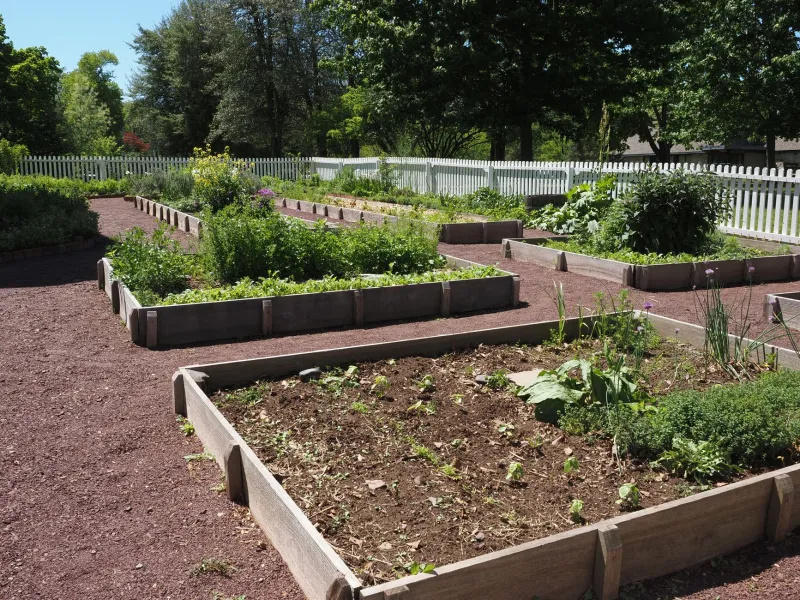
Drive through almost any town in the Green Mountain State these days and you'll notice it—front yards edged with kale, driveways flanked by raised beds, old lawns giving way to something that looks a lot more like dinner. Vermont has always had its share of dedicated home growers, but what's happening now feels different. More intentional. More urgent. And honestly, more exciting.
Call it the kitchen garden revolution. Call it the edible landscape movement. Or just call it people getting serious about where their food comes from—and deciding they want a hand in growing it.
More Than a Hobby
For Miriam Solberg, it started the way it does for a lot of people: a pandemic, a patch of bare dirt, and a seed catalog that arrived at exactly the right moment. "I think I was like everyone else in 2020," she says, laughing, from her backyard in Barre, where raised beds now stretch nearly the length of her property. "I just wanted to grow some lettuce. And then one thing led to another."
Three years later, Miriam is harvesting enough vegetables from May through October to cover the bulk of her family's produce needs. She's growing heirloom dry beans she saves and replants each season, experimenting with cold-hardy greens that push deep into November, and trading surplus zucchini with her neighbors like it's currency—because in a way, it is.
What Miriam is doing has a name in food systems circles: food sovereignty. It's the idea that individuals and communities should have real control over the food they eat and how it's produced. In Vermont, where local food culture already runs deep, that concept is finding fertile ground at the household level.
Designing with Dinner in Mind
Not everyone is approaching this with raised beds and row markers. A growing number of Vermont gardeners are working with permaculture designers to create what are called edible landscapes—integrated systems where food production is woven into the design of a home's outdoor space rather than tucked away in a utilitarian corner.
Eliot Marsh, a permaculture practitioner based in the Mad River Valley, has seen demand for his design consultations more than double over the past four years. "People are coming to me not just because they want to grow food, but because they want to grow food that makes sense," he says. "They want systems that work with the land, not against it."
That might mean planting a food forest—a layered system of fruit trees, berry shrubs, herbs, and ground covers that mimics the structure of a natural woodland while producing food at every level. Or it might mean converting a south-facing slope into a terraced kitchen garden that captures maximum sun and drains efficiently in Vermont's notoriously wet springs. The details vary, but the philosophy is consistent: design for resilience, not just yield.
"Vermont's climate is genuinely challenging," Eliot acknowledges. "But that's also pushed people to get creative. Some of the most innovative season extension I've seen anywhere is happening right here in people's backyards."
Stretching the Season
Season extension is its own subculture within Vermont's home growing community, and it's one that's evolved rapidly. Cold frames, low tunnels, and unheated hoop houses are now common sights in backyards across the state. Gardeners are experimenting with varieties bred specifically for cold hardiness—Siberian kale, spinach strains that overwinter under snow, Asian greens that shrug off frost like it's nothing.
In Hardwick, a small city that's become something of a symbol for Vermont's local food movement, community gardener Dana Prentiss has been running informal workshops out of her backyard for the past two seasons. The focus: how to grow food in Vermont past the point when most people think it's possible.
"I had someone come to one of my sessions who didn't believe you could harvest anything in December," she recalls. "And then I walked her out to my garden and cut her a head of spinach out of a cold frame while there was snow on the ground. She cried a little. I did too, honestly."
Dana's workshops have become a gathering point for growers of all experience levels, and they've sparked a seed-sharing network that now connects dozens of households across Orleans County. The seeds moving through that network include varieties you won't find in any commercial catalog—strains that have been selected and saved by Vermont gardeners for years, adapted to local conditions in ways that matter when you're trying to coax a harvest out of a Zone 5 spring.
Heirlooms, Heritage, and Why It Matters
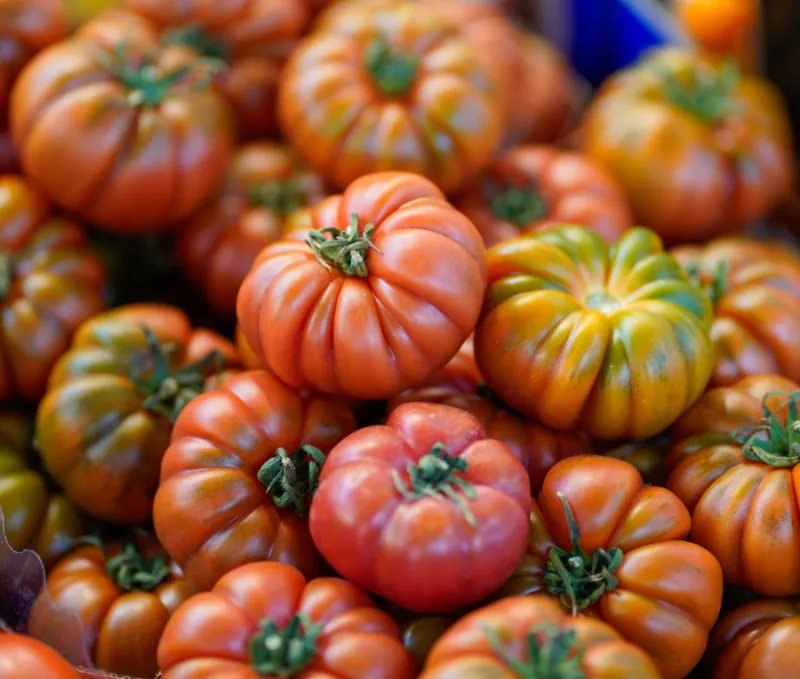
The heirloom seed movement and the home growing revolution are deeply intertwined in Vermont. When you're growing your own food and saving your own seed, variety selection becomes personal in a way it never is at the grocery store. You're not just choosing a tomato—you're making a bet on flavor, on productivity, on how something will perform in your specific microclimate, in your specific soil.
That's a kind of agricultural knowledge that was nearly lost over the twentieth century as industrial food systems standardized everything within an inch of its life. Vermont's home growers are actively working to recover it.
"Every variety I grow has a story," says Miriam. "Some of them have a history in this region going back generations. That feels like something worth protecting."
The Bigger Picture
All of this—the backyard beds, the permaculture designs, the cold frames and seed swaps and winter harvests—adds up to something that's genuinely reshaping how Vermonters think about food security. Not in an abstract, policy-paper kind of way, but in a very immediate, dirt-under-your-fingernails kind of way.
When supply chains faltered and grocery shelves looked uncertain, Vermont's home growers kept eating well. When food prices spiked, people with productive gardens felt the sting less sharply. And when neighbors needed help, those same gardens became sources of community connection in ways that no supermarket can replicate.
Eliot Marsh puts it simply: "The most resilient food system is the one that's distributed. Lots of people growing food in lots of places. Vermont has always understood that at some level. What's exciting right now is watching it become real."
The sweet spot in all of this isn't just the tomato you grew yourself or the kale you harvested in November when you thought the garden was done. It's the realization that food independence isn't some distant ideal—it's something you can start building this weekend, with a packet of seeds and a patch of ground and a willingness to see your yard differently than you did before.