Seed Savers and Soil Dreamers: The Vermont Farmers Bringing Forgotten Vegetables Back to Life
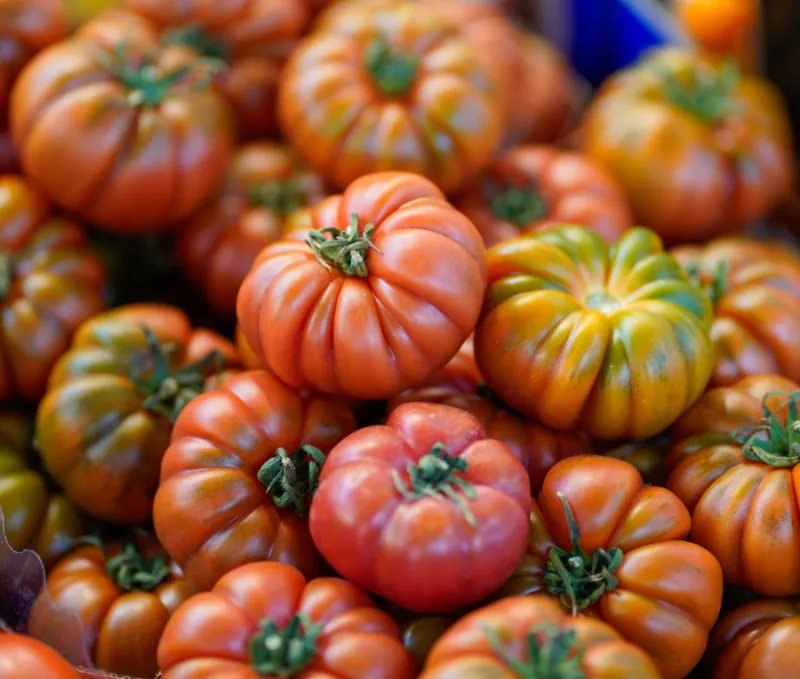
Let's be honest about the state of vegetables in America for a minute. Walk into most grocery stores — even good ones — and the produce section tells a pretty narrow story. There are maybe three kinds of tomatoes. Two varieties of winter squash. One type of beet, almost certainly. The colors are vivid, the shapes are uniform, and almost everything has been selected, over decades of industrial agriculture, for one primary trait: the ability to survive a long trip in a refrigerated truck without bruising.
Flavor? Interesting texture? Cultural history? Those qualities got quietly deprioritized somewhere along the way.
Vermont farmers, bless them, are not okay with this.
A Revolution in the Seed Packet
The heirloom vegetable revival isn't a new phenomenon nationally, but in Vermont it's taken on a particular intensity in recent years, driven by a combination of factors: a farming community that skews young and values agricultural heritage, soil and climate conditions that happen to suit many older varieties beautifully, and a local food culture — at both the restaurant and home cook level — that's genuinely hungry for something different.
Heirloom vegetables, for the uninitiated, are open-pollinated varieties that have been grown and saved for generations, often dating back 50, 100, or even 200 years. Unlike modern hybrid varieties, heirlooms breed true from seed — meaning you can save seeds from your harvest and grow the same plant next year. They weren't designed for industrial production. They were designed, over centuries of careful selection by farmers and home gardeners, to taste extraordinary and to thrive in specific regional conditions.
And some of them, it turns out, thrive remarkably well in Vermont.
Three Farms Doing the Work
Intervale Community Farm, Burlington
The Intervale in Burlington has long been one of Vermont's most storied agricultural landscapes — a floodplain along the Winooski River that's been farmed for centuries and now hosts more than a dozen working farms. Intervale Community Farm, the CSA anchor of the area, has been steadily expanding its heirloom vegetable program over the past several years, with a particular focus on cold-hardy varieties that can extend the Vermont growing season.
Their current standout is the Gilfeather Turnip — Vermont's official state vegetable, as it happens, and a variety that was nearly lost before being rescued by seed savers in the 1990s. Developed by John Gilfeather in Wardsboro, Vermont in the late 1800s, it's a white-fleshed, mild, sweet turnip that behaves more like a rutabaga and tastes nothing like the bitter, peppery turnips most Americans have learned to avoid. Roasted in a hot oven with butter and thyme, it's revelatory. Mashed with potatoes, it's one of the great unsung comfort foods of the Northeast.
The farm has also been trialing several heirloom winter squash varieties, including the Long Island Cheese Pumpkin — a deeply ribbed, flattened variety that looks like a wheel of aged cheese and makes a soup so silky and complex it'll ruin canned pumpkin for you forever.
Pete's Greens, Craftsbury
Up in the Northeast Kingdom, Pete's Greens has built a reputation over the years for pushing the boundaries of what's possible in Vermont's short growing season. The farm's approach to heirloom varieties is characteristically pragmatic: they're interested in what tastes best and what actually works in their specific microclimate, which can see frost in any month of the year.
Their current obsession is heirloom dry beans — a category that's seen almost total domination by a handful of commercial varieties but was once extraordinarily diverse. The Calypso bean, with its striking black-and-white orca-like pattern, is a current favorite: it holds its shape beautifully when cooked, has a creamy interior, and takes on flavors from aromatics in a way that canned beans simply can't replicate. The Jacob's Cattle bean, a Maine and Vermont heirloom with a gorgeous burgundy-and-white speckled pattern, has been grown in New England since at least the early 1800s and makes a baked bean that will change your life.
Pete's also grows several heirloom corn varieties, including a flint corn used for polenta and a rare popcorn variety that pops into tender, hull-less kernels with a nuttier flavor than anything you'd find at a movie theater.
Snug Valley Farm, East Hardwick
Snug Valley is a diversified organic farm that's been quietly doing remarkable things with heirloom tomatoes and peppers — crops that many Vermont farmers write off as too risky given the state's cool summers. The secret, farm co-owner Hannah says, is variety selection. "There are tomatoes that were bred for short seasons and cool nights," she explains. "People just forgot about them because they don't look like what the grocery store trained us to expect."
Their roster includes Mortgage Lifter tomatoes — a legendary heirloom developed by a West Virginia gardener in the 1930s who reportedly paid off his mortgage by selling seedlings — along with Aunt Ruby's German Green (a massive, sweet, green-when-ripe beefsteak that confuses everyone at the farmers market until they taste it) and the Black Krim, a Russian heirloom with a complex, almost smoky flavor profile that's become a cult item among Burlington chefs.
A Recipe Worth Making Right Now
Gilfeather Turnip and White Bean Soup with Herb Oil
This is cold-weather food at its most honest and satisfying. The turnip's natural sweetness plays beautifully against the earthy beans, and the herb oil on top makes it feel like something special without a lot of extra work.
Ingredients:
- 2 medium Gilfeather turnips (or substitute rutabaga), peeled and cubed
- 1 cup dried Jacob's Cattle or Calypso beans, soaked overnight
- 1 large yellow onion, diced
- 4 cloves garlic, smashed
- 4 cups vegetable or chicken broth
- 2 cups water
- 2 tablespoons olive oil
- Salt and black pepper
For the herb oil:
- ½ cup fresh parsley
- 2 tablespoons fresh thyme leaves
- ⅓ cup good olive oil
- Pinch of salt
Method: Sauté onion and garlic in olive oil until soft and golden, about 8 minutes. Add turnip cubes, drained beans, broth, and water. Bring to a boil, reduce heat, and simmer until beans are completely tender, 45-60 minutes. Season generously with salt and pepper. Blend the herb oil ingredients in a small food processor until smooth. Ladle soup into bowls and finish with a generous drizzle of herb oil and crusty bread on the side.
So You Want to Grow Your Own
Good news: getting into heirloom vegetables as a home gardener has never been easier, and Vermont has some exceptional local resources.
High Mowing Organic Seeds in Wolcott, Vermont is one of the best organic seed companies in the country, with a deep heirloom catalog and a commitment to trialing varieties specifically for Northeast growing conditions. Their catalog is basically a food history book you can order from.
Fedco Seeds out of Maine ships throughout the Northeast and carries an extraordinary range of heirloom varieties, including many with specific Vermont and New England heritage.
The Vermont Community Garden Network can connect you with seed libraries and experienced growers in your area — a genuinely underutilized resource for anyone just getting started.
For first-timers, a few beginner-friendly heirlooms worth starting with: Mortgage Lifter tomatoes (forgiving, productive, incredible flavor), Dragon Tongue beans (a striking yellow-and-purple wax bean that kids love), and Delicata squash (technically a heritage variety, extremely reliable in Vermont's climate, and delicious roasted whole).
The Bigger Picture
The work these farmers are doing isn't just about flavor, as thrilling as the flavor payoff is. Heirloom varieties represent genetic diversity — a living library of agricultural adaptation that took centuries to develop and can be lost in a single generation of neglect. Every time a farmer grows a Gilfeather Turnip or saves seeds from a Jacob's Cattle bean, they're participating in an act of cultural and ecological preservation that matters well beyond their particular field.
Vermont's small farm culture, its strong seed-saving networks, and its consumers who genuinely care where their food comes from make it one of the best places in the country for this kind of work to take root. The vegetables showing up at farmers markets and in CSA boxes this season aren't just delicious. They're a small, stubborn, soil-covered argument for a different kind of food system — one that values history, diversity, and taste alongside efficiency and yield.
That's a pretty good argument to make with a turnip.