Sweetness with a Sense of Place: Vermont's Dessert Makers Are Doing Something Different
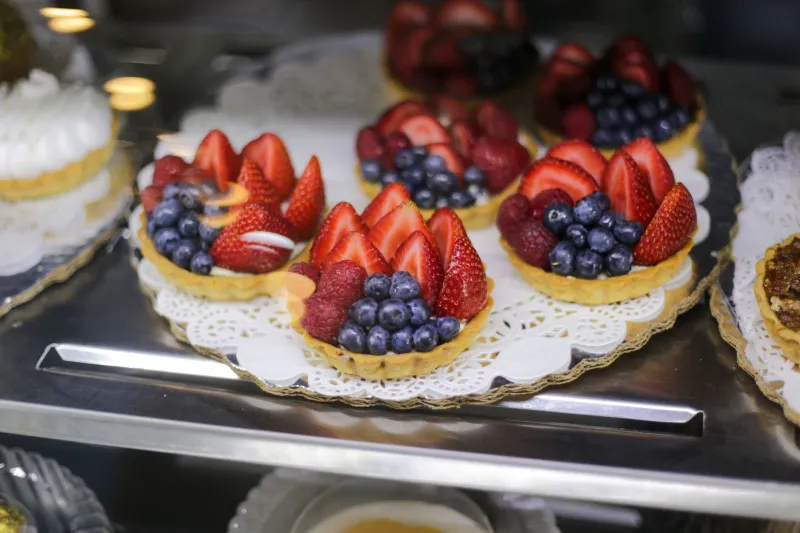
Desire is a funny thing in the food world. We want the indulgence of dessert and the integrity of local, seasonal eating—and for a long time, those two things felt like they lived in separate zip codes. A perfect crème brûlée didn't seem like it had much to do with a farm in the Northeast Kingdom. A wedge of layer cake didn't feel like a statement about sustainable agriculture.
Vermont's dessert makers are dismantling that divide, one carefully considered bite at a time.
Across the state, a loose but growing community of pastry chefs, candy makers, and sweet-focused artisans are building their work around hyperlocal ingredients—fresh dairy from small farms, wildflower honey, foraged herbs, summer berries, single-origin maple syrup—and producing desserts that taste, unmistakably, like a specific place at a specific moment in the year. The result is something rare: indulgence with a story.
The Dairy Makes All the Difference
If there's one ingredient that anchors Vermont's dessert scene, it's dairy. The state's small-scale dairy farms produce cream and butter with a richness and complexity that commercial alternatives simply can't match, and Vermont's best dessert makers have built their entire aesthetic around it.
Juliette Fontaine runs a small pastry operation out of her home kitchen in Shelburne, selling to a handful of restaurants and through a weekly pre-order. Her signature item is a buttermilk panna cotta that sources its cream from a farm she can see from her driveway. It's barely sweetened—just enough local honey to balance the tang—and topped with whatever the season offers. In July, that's macerated strawberries from a pick-your-own farm a few miles away. In October, it's a compote of roasted plums with a splash of local cider.
"The cream is so good that my job is mostly to stay out of its way," Juliette says, which sounds modest until you taste the panna cotta and realize she means it as a genuine philosophy.
That restraint—letting the ingredient lead—is a common thread among Vermont's most interesting dessert makers. When your cream tastes like the grass the cows ate last Tuesday, you don't need to bury it in sugar and vanilla extract. You let it be itself.
Maple Beyond the Obvious
Any conversation about Vermont desserts has to grapple with maple syrup—specifically, how to use it in ways that don't feel like a tourism brochure. The maple-everything approach can easily tip into caricature, and the state's most thoughtful sweet makers are acutely aware of that.
Eliot Garner, who makes candy and confections under the name Ridgeline Sweets in Barre, has spent years exploring what maple can do when it's treated as a complex flavor rather than a one-note sweetener. His current lineup includes a dark chocolate bark with Grade B maple and smoked sea salt, a maple caramel that he deliberately takes to the edge of bitter, and a hard candy made with maple and wild bergamot foraged from a meadow near his house.
"Grade B has this almost smoky, almost bourbon-y depth that most people never get to experience because everyone defaults to Grade A for everything," he says. "I want people to taste what maple actually is, not just what they expect it to be."
Eliot's approach mirrors a broader shift in how Vermont food producers think about their most iconic ingredient. Maple syrup is not a shortcut to regional flavor—it's a raw material with its own terroir, its own seasonal variation, its own capacity to surprise.
Herbs, Flowers, and the Smell of a Vermont Summer
Walk through the dessert menus of Vermont's farm-to-table restaurants in July and you'll notice something: flowers and herbs are everywhere. Lavender crème brûlée. Chamomile shortbread. Rose petal gelato. Verbena ice cream. This isn't decoration. It's intention.
Pastry chef Nadia Rousseau at a small inn in Woodstock has built her entire dessert program around her kitchen garden, which she tends herself and which dictates the menu from May through October. She grows over thirty varieties of culinary herbs and edible flowers, and each one finds its way into her desserts in ways that feel surprising and inevitable at the same time.
"Herbs in dessert force you to think about flavor differently," she explains, arranging a plate of lemon thyme shortbread that smells like a garden in the best possible way. "They add complexity without adding sweetness, which is actually really hard to do in pastry. They make everything taste more alive."
Nadia sources her dairy locally, her eggs from a farm ten minutes away, and her flour from a Vermont mill. The herbs are hers. The result is a dessert menu that couldn't exist anywhere else—not because it's aggressively regional, but because it's genuinely rooted in one specific place.
Guilt-Free Isn't the Point—Meaning Is
There's a temptation, when talking about sustainable and locally sourced desserts, to lean into the "guilt-free indulgence" framing. Vermont's dessert makers mostly resist it. They're not trying to make you feel better about eating a caramel. They're trying to make the caramel matter.
"I don't love the idea that dessert needs to be justified," says Juliette Fontaine. "What I love is that when someone eats my panna cotta, they're eating something that came from a farm that I care about, made by someone who thought hard about every element. That's not about guilt. That's about connection."
That framing—dessert as a form of connection to land, season, and community—might be the most Vermont thing about all of this. In a state where food is almost always a conversation about values, even the sweetest things carry weight.
And right now, that weight tastes pretty incredible.